Review / Action-adventure
The Legend of Zelda: Ocarina of Time
Worth another trip to Hyrule?
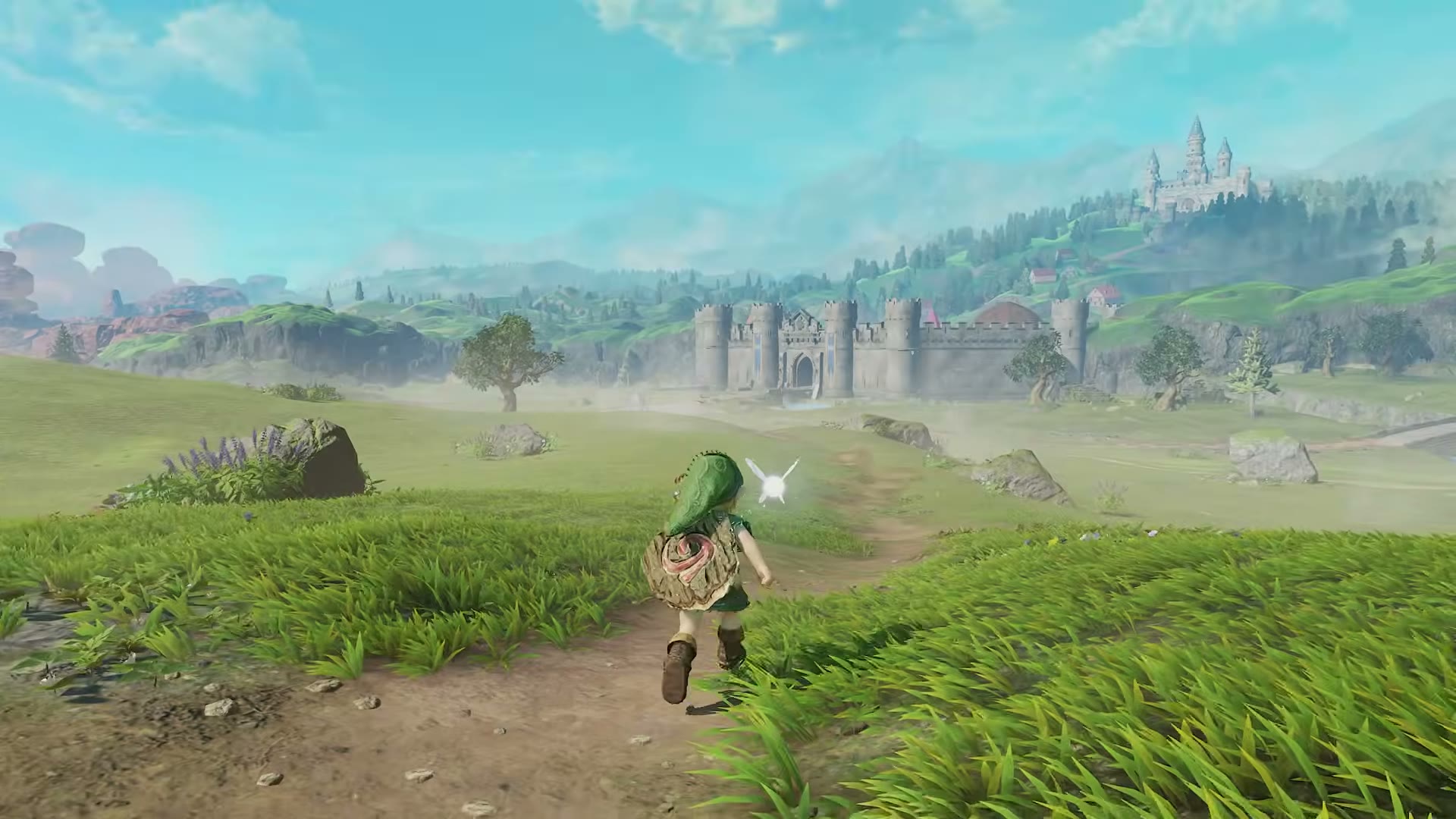
Update We've finished the game, and the score stands.
Ocarina of Time has the slightly unfair advantage of being Ocarina of Time. Put that name on a box and most of the selling is done. Maybe it’s nostalgia, but it’s still one of the best gaming experiences we’ve had. A remake still has to answer a fair question, though: what makes this version worth buying?
The Switch 2 version has a good answer. Nintendo rebuilt the presentation, added voiced cutscenes and an orchestral score, and gave Link more flexible movement with a proper camera on the right stick. The adventure is familiar. Getting around it isn’t.
The design is still the draw
What makes traditional Zelda work is how the pieces fit together. A dungeon gives you a problem, hands you a tool, then asks you to recognize what that tool changes. You make progress by understanding the space, not by finding a weapon with a slightly bigger number on it.
The jump between two periods of Hyrule gives that progression a purpose, too. Growing up changes more than Link’s equipment: the world and the people in it give the adventure its stakes. You don’t need a sprawling quest log to make a place matter.
That structure also sets expectations. If you’re coming from Breath of the Wild or Tears of the Kingdom, this is a much more directed adventure. The appeal is following a carefully arranged sequence of discoveries. If your favorite part of modern Zelda is ignoring the intended route, that matters.
Less wrestling with the game
The practical changes deserve as much attention as the graphics. A freely controlled camera, jumping on command and your important gear on the D-pad remove friction there’s no good reason to put up with anymore.
A real makeover
The rebuilt environments and the orchestral score are the heart of the remake. It looks and sounds like a new game, while the adventure underneath stays the one people remember. That’s the right call: a remake needs a reason to exist beyond looking sharper, but stuffing new material everywhere wouldn’t automatically make it better.
Familiarity has a downside
The biggest reservation is challenge. If you know this game inside out, don’t expect much of a fight. Master Quest isn’t included either, and Nintendo hasn’t said whether it’s coming. The new Hall of Fallen Foes lets you rematch bosses, which is welcome, but it isn’t the same as a remixed campaign.
Who it’s for
Newcomers who like structured exploration and item-based puzzles get the most out of it. Returning fans get a big visual and control overhaul, with less to pull them back if what they want is a fresh challenge.